
Abuja, the capital city of Nigeria stands on the precipice of an uncertain future, driven by its rapid population growth. Encircling the city lie several satellite towns, such as Gwagwalada, Bwari, Kuje, Maraba, and Karshi, that were originally intended to be homes for the working-class and low-income earners. The idea was to facilitate daily commutes for people who work in the city centre. However, mainly due to the lack of a functional urban mobility network, the planned spatial arrangement in these settlements has not been successful. As a result, residents are left with no choice but to rely on private cars and taxis. This reliance is worsening the growing traffic congestion and exposing residents to high amounts of ambient carbon dioxide daily.
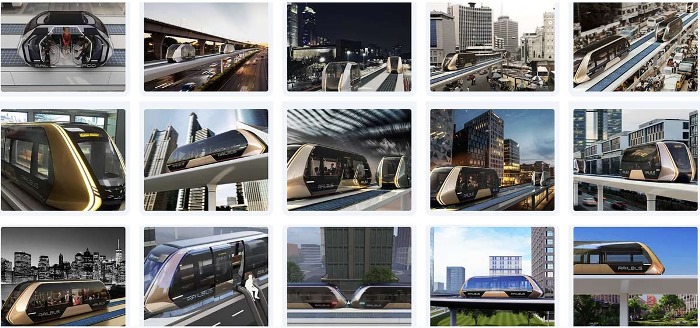
Socio-economically, the absence of affordable railbus services in Abuja translates to the city’s underpaid working class spending a substantial part of their meagre income on transportation, leaving very little for essential needs like food. This reality significantly contributes to the growing chasm between the city’s rich and poor. This situation has been further exacerbated by the recent removal of petroleum subsidies, resulting in a staggering 200 per cent hike in petrol costs. To avoid the high cost and inconvenience of commuting to and from the city centre, many of Abuja’s low-income earners have chosen to live near the city at all costs.
Railbuses are designed to utilize sustainable energy sources like electricity or hybrid systems that emit very low or no greenhouse gases. This makes them a greener mode of public transport.
The benefits of Railbus mobility cannot be overemphasized. Railbus will play a vital role in ensuring environmental and social justice in Abuja as it has the capacity of bringing equitable distribution of transportation and ensuring seamless access to local destinations, goods and services within the city.
Creating a sustainable and equitable railbus system is crucial for Abuja as it will bring an integrated, sustainable multi-modal transport system that significantly reduces the number of private cars on the road and seamlessly citizens at different levels, with options to alternate between transport modes as needed.
By seamlessly integrating the Railbus options in Abuja; it can create a comprehensive low-cost mobility solution that has the potential to address equity issues by providing affordable and equitable access to urban spaces.
The chronic congestion and the dilapidated state of road networks in Abuja signals the urgent need for innovative transport solutions. Railbus, with its potential for high-volume passenger transport, presents an effective answer to these challenges. Its adoption could significantly reduce traffic congestion, improve road safety, and enhance the overall efficiency of the city’s transport system.
Establishment of Railbus in Abuja would lead to job creation, not only within the transport sector but also across ancillary industries. Additionally, by improving accessibility to urban and rural areas, it can spur economic activities and foster trade. Ultimately, the increased efficiency in transportation will translate into cost savings for both commuters and goods, contributing positively to the city economy.
The introduction of RAILBUS services stands to immensely benefit local communities. Enhanced mobility can lead to improved access to education and healthcare, thereby advancing social welfare. Furthermore, the Railbus system will promote inclusivity by providing affordable and reliable transport options, bridging the gap between different socioeconomic groups within the city.
In terms of environmental sustainability, the shift towards Railbus systems signifies a major stride towards sustainability. Rail-based transport is known for its lower carbon footprint compared to road vehicles, thereby contributing to the reduction of greenhouse gas emissions. The adoption of Railbus in Abuja will help to combat climate change and promote environmental conservation.
Urban areas suffer from significant noise pollution due to conventional traffic. The Railbus, particularly electric models, operates more quietly than traditional buses and trains. Reduced noise levels not only improve the quality of life for urban residents but also have positive effects on wildlife, which can be adversely affected by high noise levels.
The Railbus system holds tremendous promise for Abuja, offering a viable solution to the city long-standing public transportation challenges. By leveraging existing infrastructure, promoting environmental sustainability, and fostering economic growth, the Railbus has the potential to transform the way citizens move and connect. Since Railbus can easily reach areas not easily reached by traditional rail systems; giving passengers extensive transport network coverage and convenience ultimately contributing to a more inclusive and prosperous future for Abuja.
 Kingsley Osajie